• History

History

The history of Caraquet is closely intertwined with the sea, as is the history of New Brunswick’s Acadia, of which it proudly calls itself the capital. After the arrival of the first inhabitants from Europe in 1730, Caraquet really began to develop in 1758 when 34 Acadian families—fleeing the Deportation of 1755—led by Alexis Landry settled in the Sainte-Anne-du-Bocage area.

Heritage - City of Caraquet

Heritage Route

The Caraquet Heritage Route completes the project produced as part of the designation Cultural Capital of Canada in 2009, as well as to participate in the New Brunswick Local Historic Places program. This tour briefly comments on 21 of the most important heritage sites in Caraquet, designated locally and listed on the New Brunswick Register of Historic Places.

These places can be either stately or modest buildings, they can be vestiges, the memorial site of important events or even places of industrial activities. Sometimes they are personalities who have contributed to the advancement of our society. In all cases, these are important places that tell us who we are and where we come from. They express our heritage and our cultural diversity.

The goal of this project is to preserve and tell the story of people who, through hard work, build this community. It’s about promoting and celebrating these heritage places and educating people about heritage conservation.

Several other places could have been chosen because of the great abundance of Caraquet’s architectural legacy. The selection was justified according to certain criteria including the originality, the architectural characteristics of the buildings, their value of historical testimony, the importance of their occupants and sometimes the availability of information.

We hope that these stories will be of interest to visitors who want to know us better and to cultivate the pride of the citizens of Caraquet because these buildings and characters bear witness to our roots and tell the story of people determined to preserve their Acadian culture.

Click on the photos to learn about their history

Collège de Caraquet Site
Nazaire Dugas House
Dugas Store
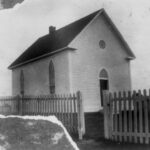
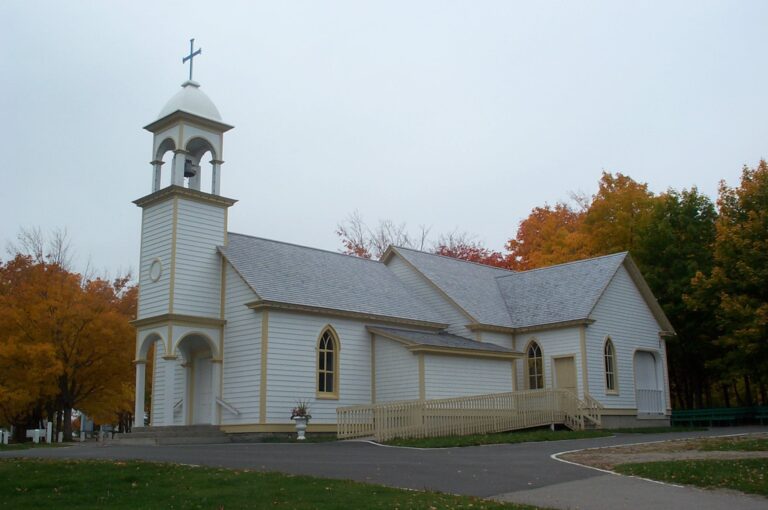
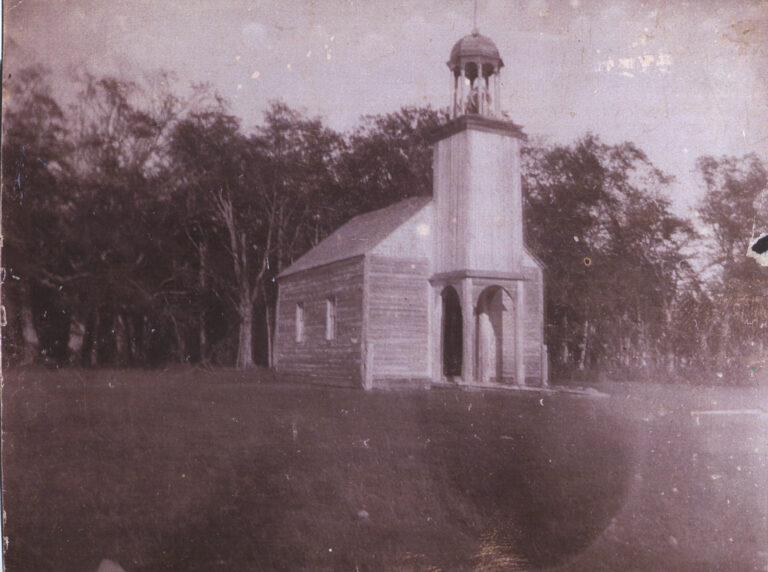
Sainte-Anne Chapel
Landry Mill Site
Léopold L. Foulem House
Martin J. Légère House
Théotime Blanchard House
Little School
Fédération des caisses populaires acadienne
Caraquet Convent - CND
Jean-Baptiste Chenard House
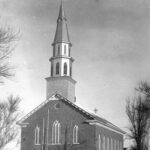
Saint-Pierre-aux-Liens Church
Fruing House
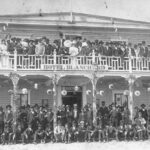
Hôtel Paulin
Fitzpatrick's Tannery
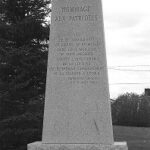
Patriots' Monument
House of Captain Polycarpe Albert
Robin Company Site
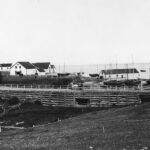
Caraquet Wharf
Protestant Church

Heritage Preservation

In order to improve the commercial prosperity of the city center and make it an attractive place, the town of Caraquet began in the early 1990s a process of public consultations aimed at creating a long-term development plan. In the light of this public debate, it became clear that valuing the historic, community, Acadian, and maritime character would create the specificity and attractiveness of the city.

Therefore, it became essential for the municipality to develop this unique style, this image that would become over the years its trademark. But, to preserve one’s image and authenticity required tools and resources. It is in this perspective that the municipality of Caraquet then adopted legal tools that would enable it to achieve the objectives set in their action plan. Through its Heritage Preservation bylaw, the management committee is devoted to preserve the heritage sites and to guide the establishment of signs to pre-defined criteria in order to ensure integration into the community.

Caraquet is now distinguished by its uniqueness and authenticity. Its heritage and its Acadian and maritime character are highlighted and strengthen the sense of belonging of residents.

Parcours de l'affaire Louis-Mailloux

A matter of history

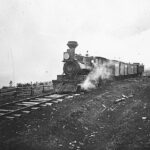
The 19th century was a time of Acadian cultural and economic development coupled with significant events. Notable achievements included the construction of the town church in 1857, a convent for young girls in 1874 (of which only vestiges remain today) and a classical college in 1899. The latter would have been the biggest building in Caraquet had it not been destroyed by fire. At the time, the maritime sector was already flourishing. People were building boats, manufacturing fishing gear and processing fish for local consumption and sale. The Robin family, originally from Jersey, set up fish processing plants in the town in 1837. creating a significant economic boom that led to the establishment of sawmills and other industries, including cooperages, a tannery and a tinsmith’s. Then, with the arrival of the railroad in 1887, Caraquet became truly connected with the outside world.

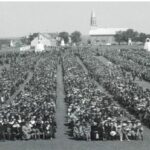
Caraquet is also tremendously proud of its Acadian heritage, and that pride has been the focus of numerous struggles to assert its rights. 19th century, people wanted to own land. In the 20th century, residents demanded the right to instruction in French and religion in the schools. Furthermore, École polyvalente Louis-Mailloux is named after the 19-year-old young man who, in 1875, was killed during a riot as the Acadians defended their French Catholic school. Caraquet has also hosted major gatherings. The most significant events were the National Convention of Acadians in 1905 and the Eucharistic Convention in 1950, which drew more than 20,000 people.

The second half of the 20th century was marked by Caraquet’s cultural and tourism growth. The exceptional renown of the Festival Acadien, the opening of the Acadian Historical Village (which would quickly become one of New Brunswick’s top tourist draws), the Théâtre populaire d’Acadie, the massive celebrations surrounding Acadian National Day on August 15, the Musée acadien, the Sainte-Anne-du-Bocage Sanctuary and many other attractions draw tourists from all over North America to Caraquet. According to the last census in 2016, the Town of Caraquet had a population of 4,248.

The word “Caraquet” comes from the Micmac and means “the meeting of two rivers.”

Show 1 : Le Grains de folie
Show 2 : L'Éco-musée de l'huître
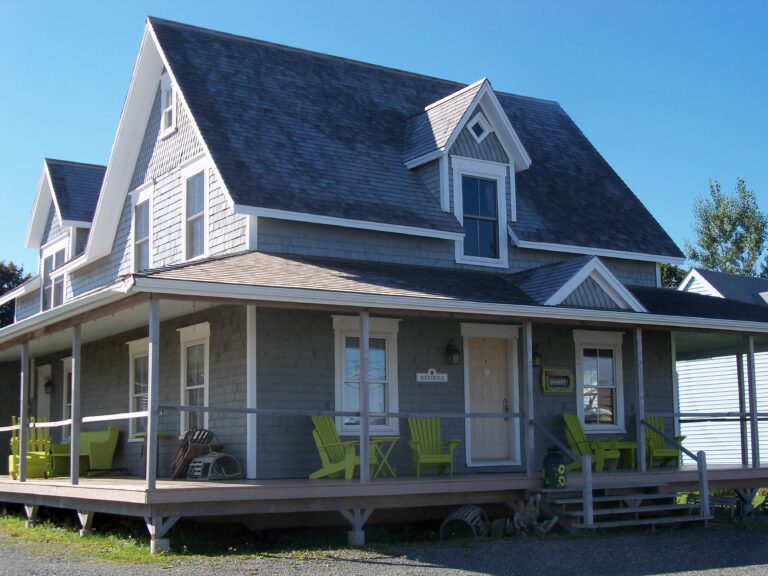
Show 3 : Gîte le Poirier
Show 4 : L'Hôtel Paulin et Mitchan Sushi
Show 6 : Maison touristique Dugas

Discover the different historical sites

Use the + to zoom in and click on the markers to see the names of the points of interest.

The History Rendez-vous

An opportunity for encounters, exchanges, and discussions among local history enthusiasts. Courtesy of the City of Caraquet; its contribution to showcasing its cultural, architectural, and natural heritage, and its mission to pass on its history to future generations to shape the future.

Click on the photos
to learn about their story

THE MARITIME TRAGEDIES THAT HAVE SHAPED THE ACADIAN FISHING INDUSTRY
A Look at Industrial Fishing
Caraquet Hockey Portraits
Eucharistic Congress and major rallies in Caraquet
The Giants of Our History - Part 2
The Giants of Our History - Part 1
The life of Vicar General Bishop Joseph-Marie Paquet
Sainte-Anne-du-Bocage, a place of prayer and conflict
The value of Caraquet's modern heritage
English and Jersey families
A grim history of cemeteries
100 years ago, the Spanish flu
A look back at the fishermen's past
Trump: Impeachment and Democratic Primaries
Midterm elections and the Trump effect
The advent of the train and the hotel industry
The great fire of 1935
The Gorten Pew... from salt to freezing
The Patent... in Caraquet
The Rive's
Caraquet Hospital
Prohibition
The Church of Caraquet
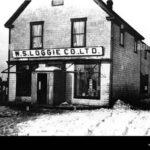
The Loggie's
THE INDIGENOUS PRESENCE IN POKEMOUCHE
The Louis-Mailloux affair 150 years later (1875-2025)
Demographic profile of Grand-Caraquet 1840 - 1911
Acadian History Chronicles - Marc Poirier
The Era of "STIMES"
The families of Caraquet

TPA Podcasts

Historical capsules

With the invaluable collaboration of our historians, we’ve planned to create a few historical vignettes that we’ll publish from time to time to keep you interested in our fascinating stories.

Thank you to our historians for their voluntary contribution in sharing their research, which leads to the development of our History Rendezvous and historical capsules.

Funeral and transfer to Caraquet
The presbytery
Lorenzo-Morais Industrial Park
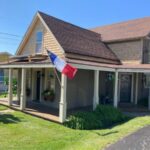
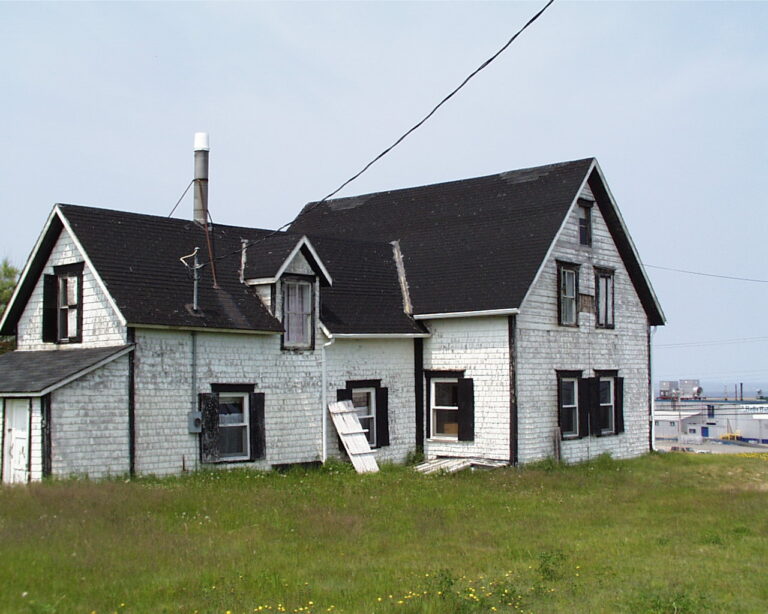
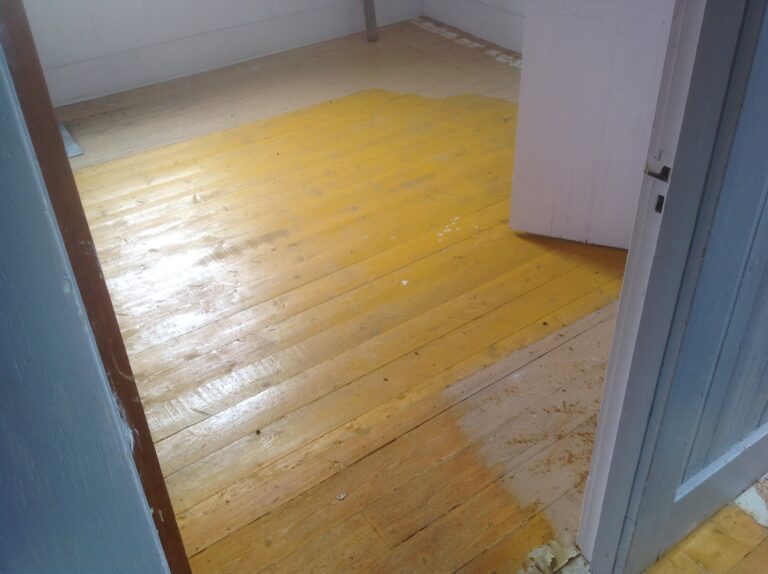
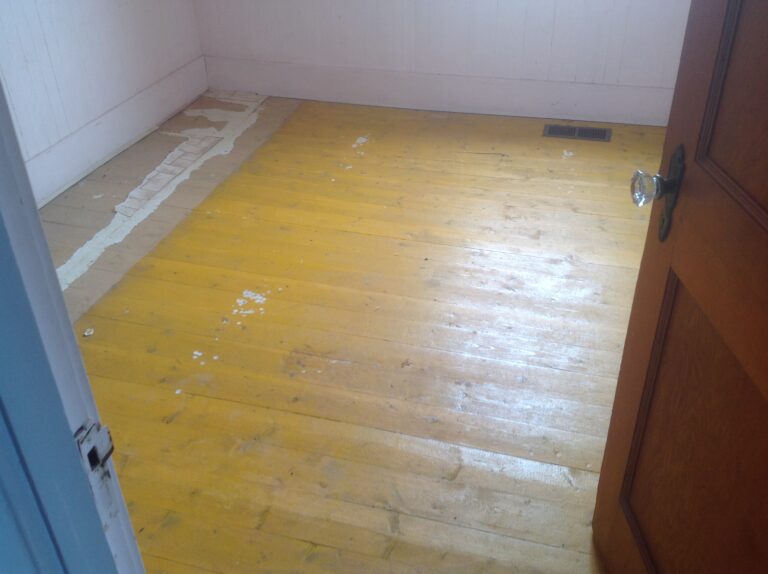
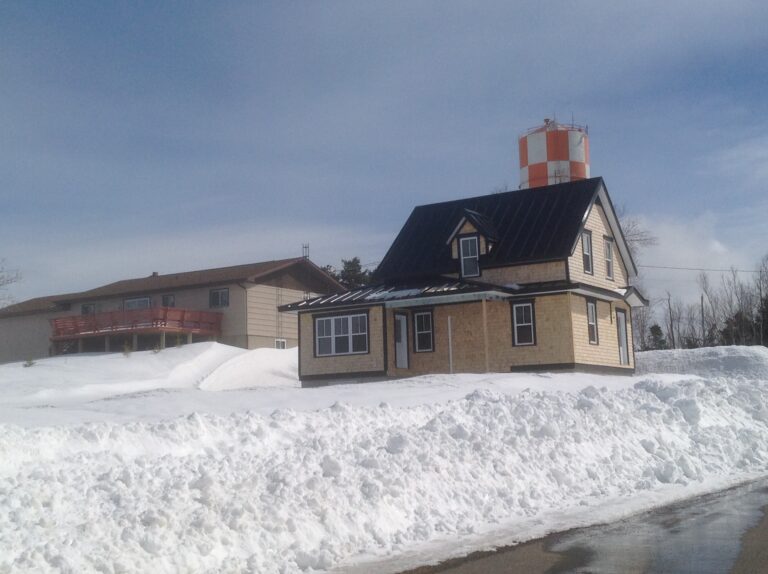
The English house… That’s what it was called even though Josephine Rive, the last of the Rive family to live there, was an Albert married to Harry Rive, this Jersey descendant son of Philippe Rive.
The house of the English
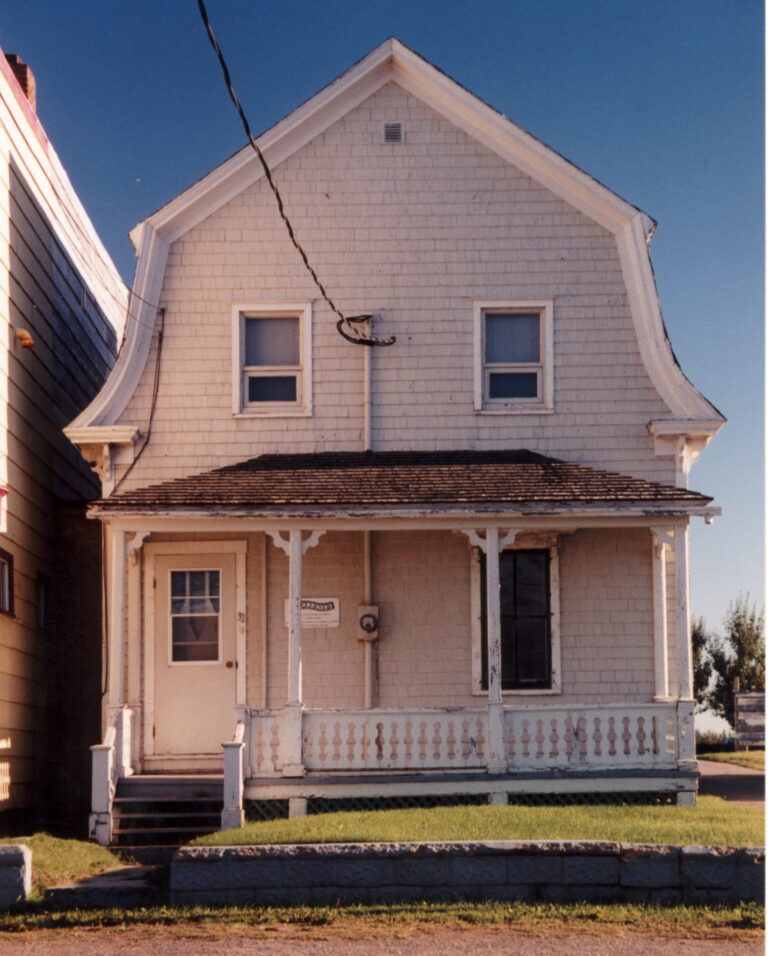
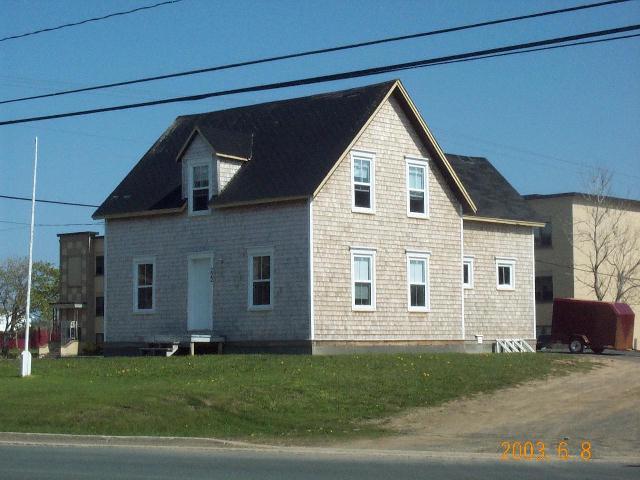
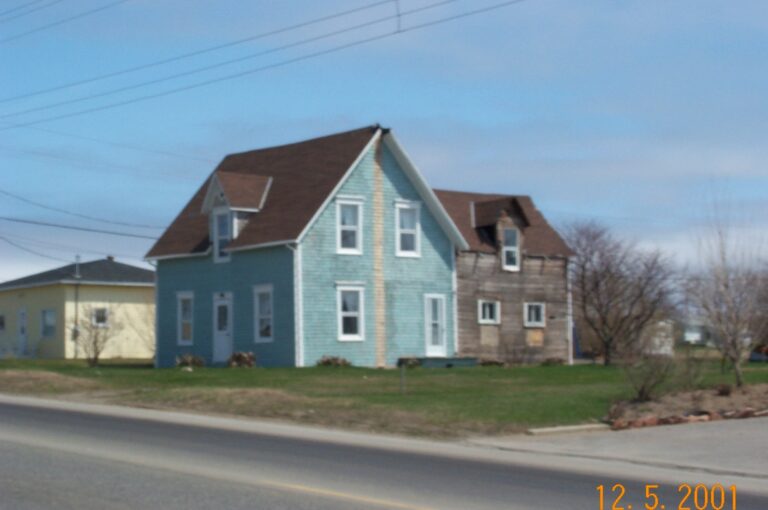
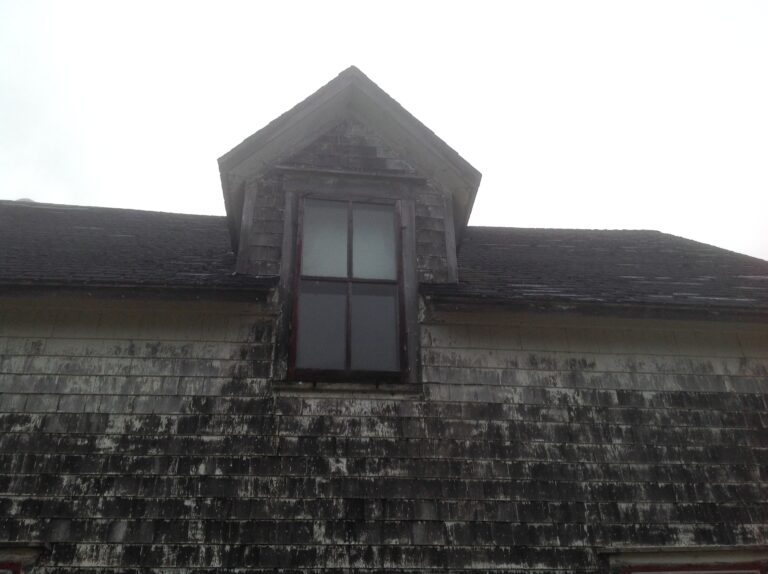
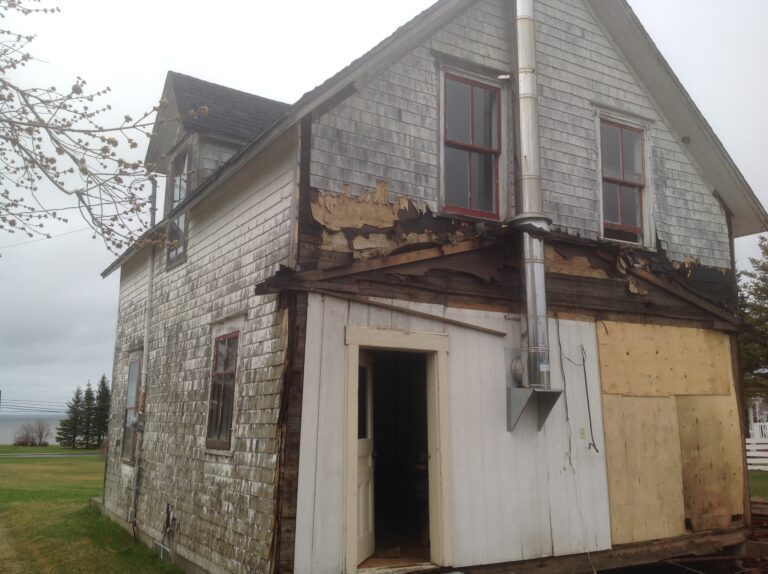
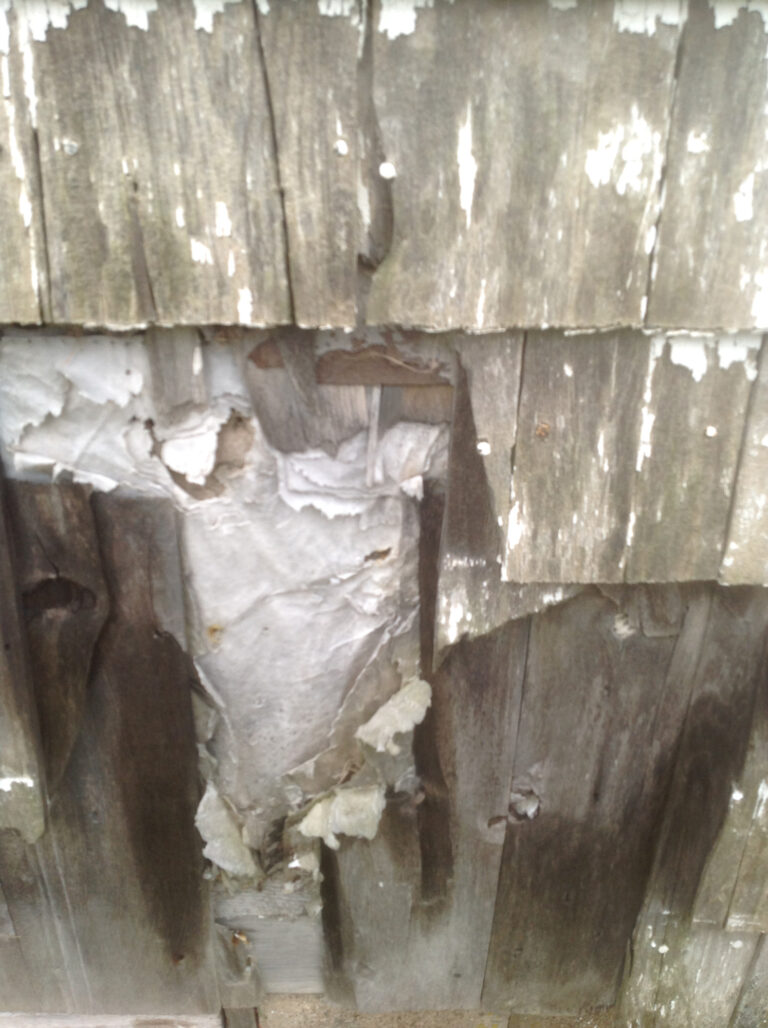
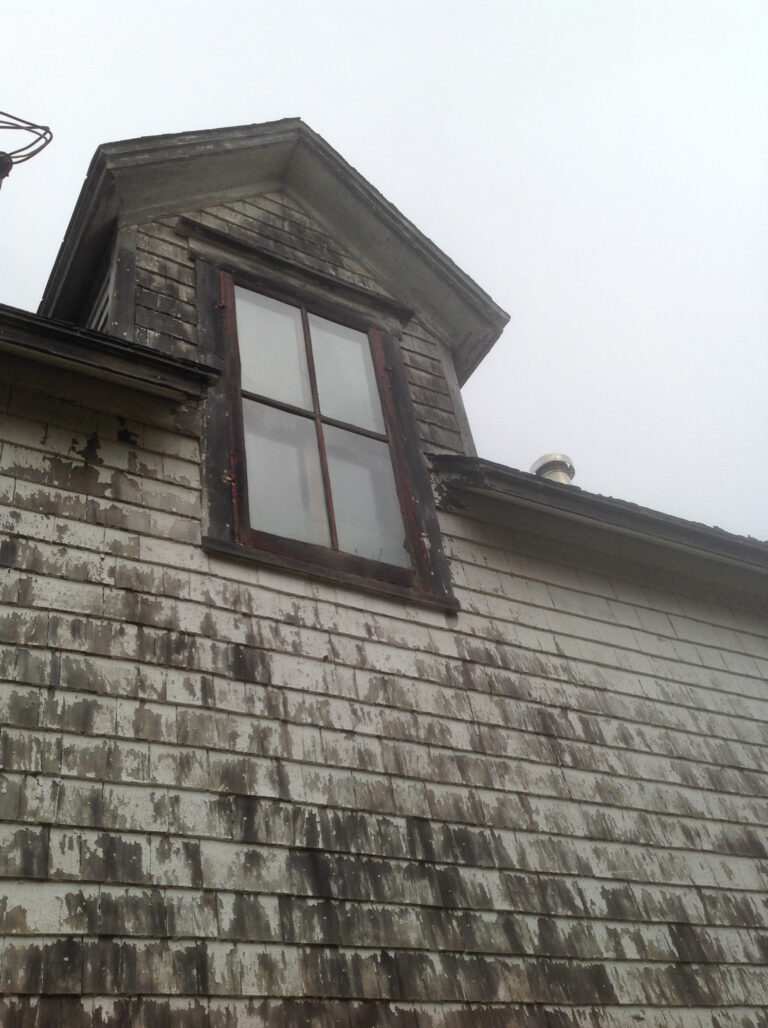
Cedar shingles; guardians of our beautiful homes!
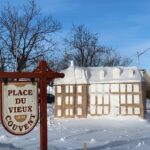
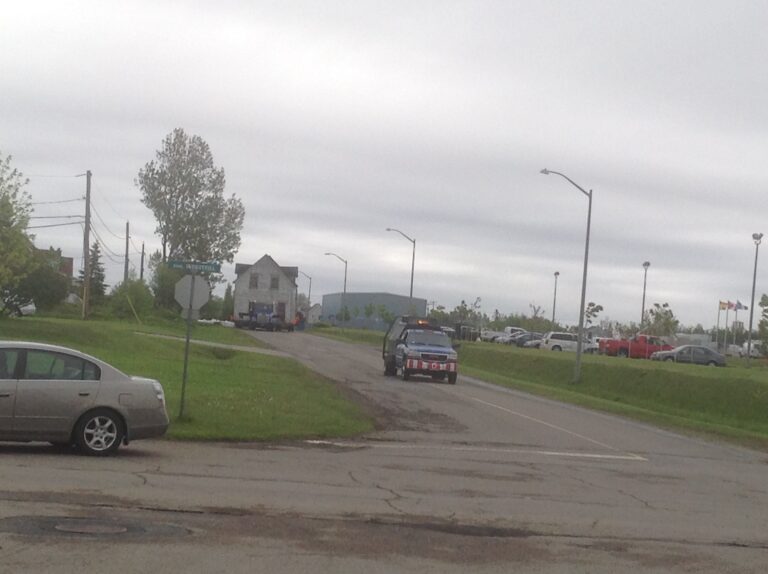
A "historic" snow monument
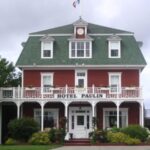
HOTEL PAULIN
Conversion for Christmas
The first French-language bank in New Brunswick.
Gorton-Pew
Protestant Church of Caraquet - 145 years old and still here!
Jersey presence in Caraquet!
Sanctuary of Saint Anne of the Bocage
The Duval brothers and maple products
Wayside crosses
Pokeshaw
Pokemouche
Pokesudie
Albert House

Guide to physical interventions on buildings

Here is the documentation about the guide to physical interventions on buildings.
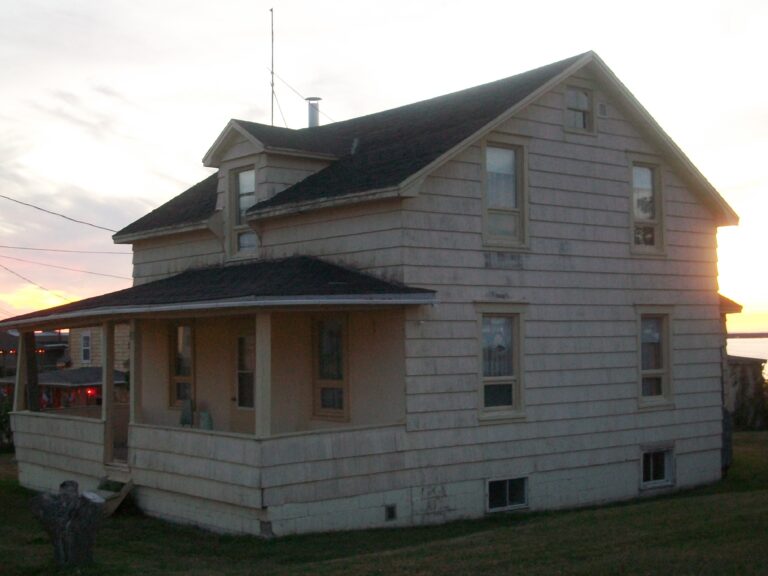
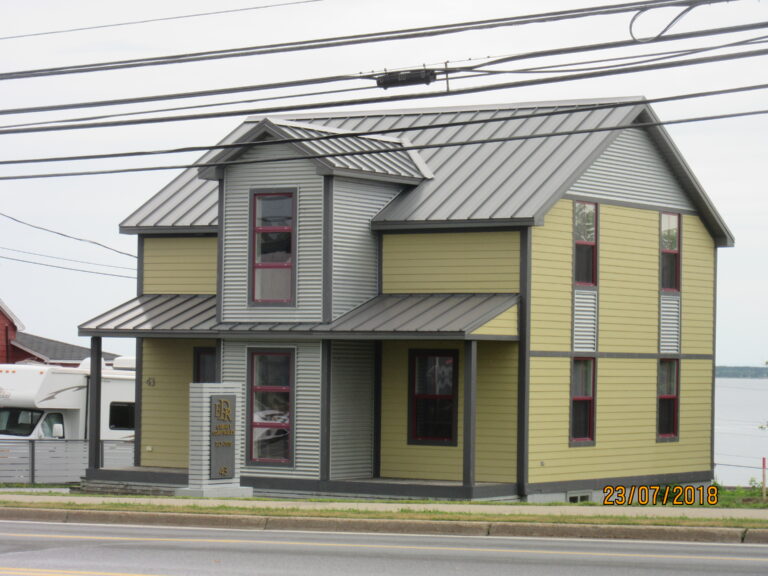
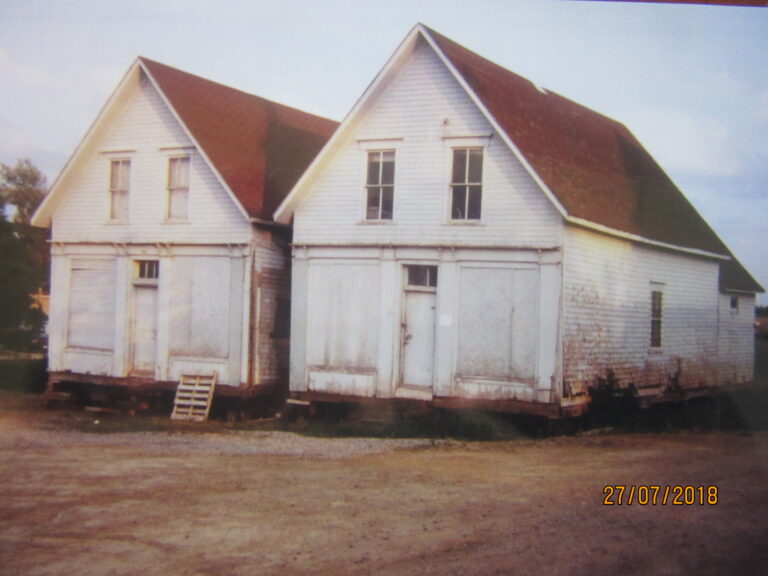
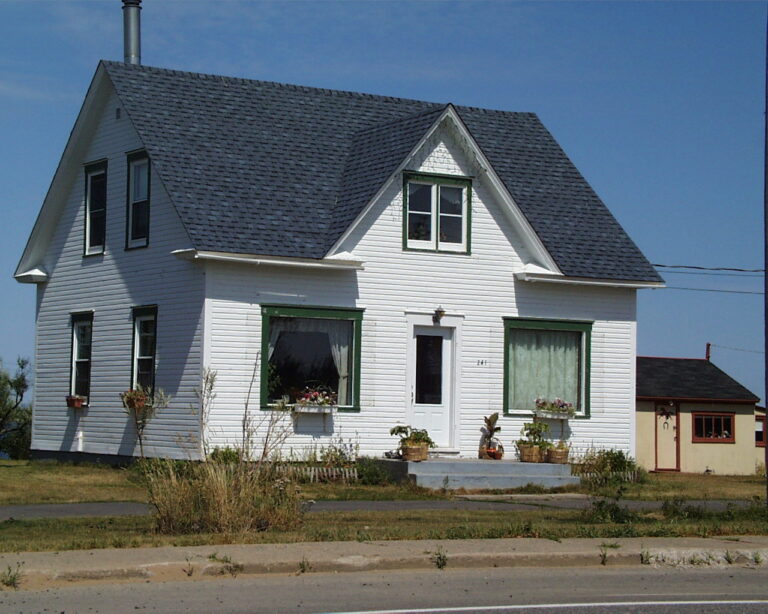
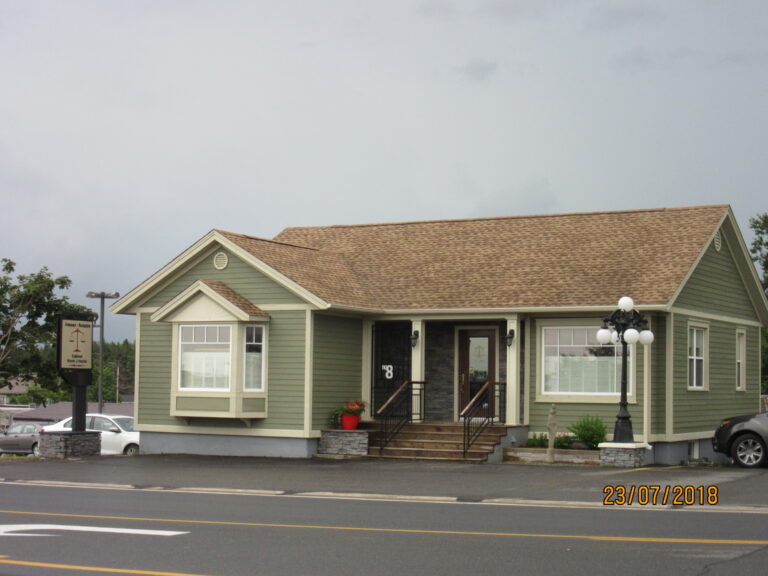
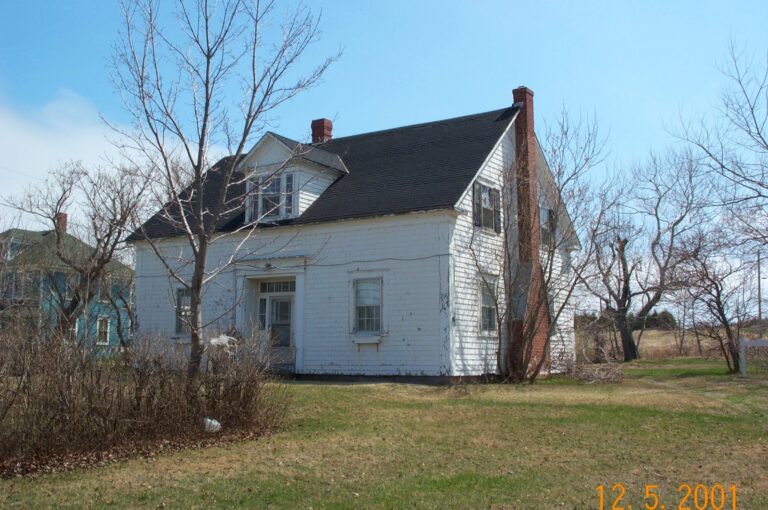
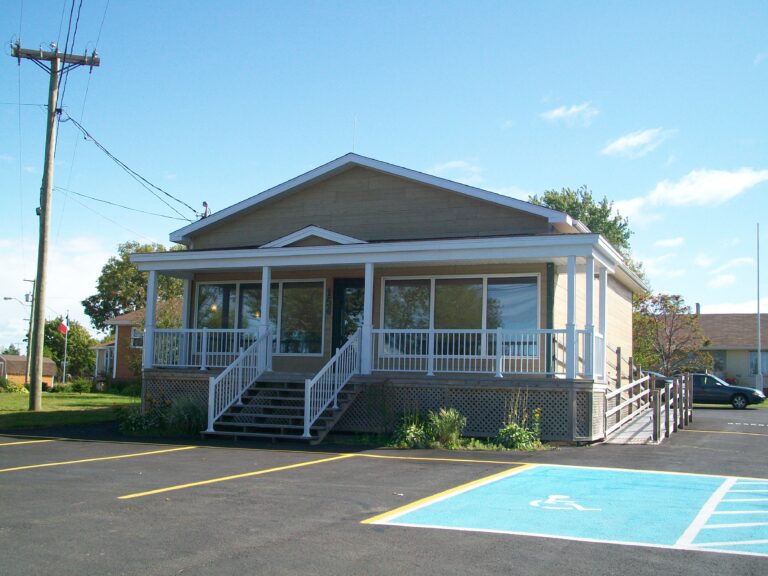
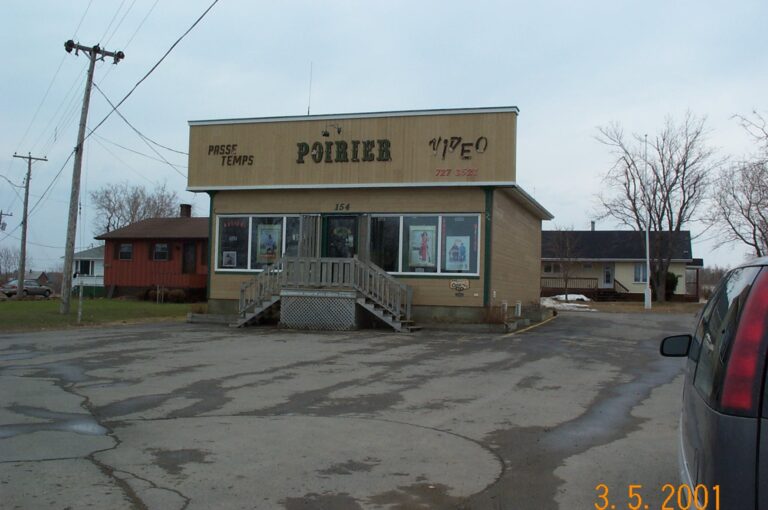
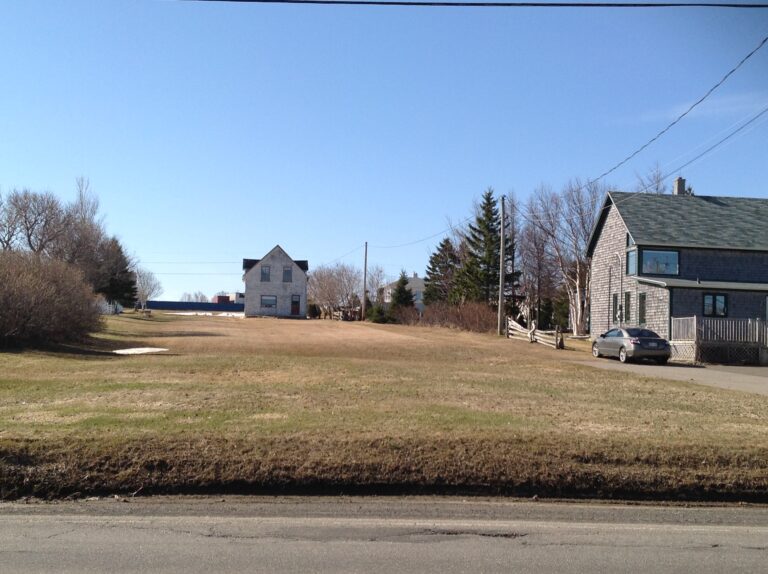
Before and After Transformations

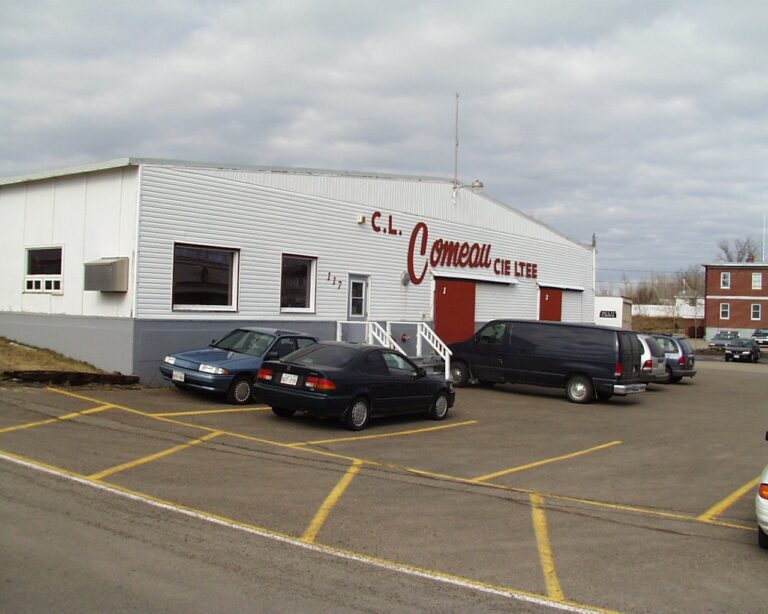
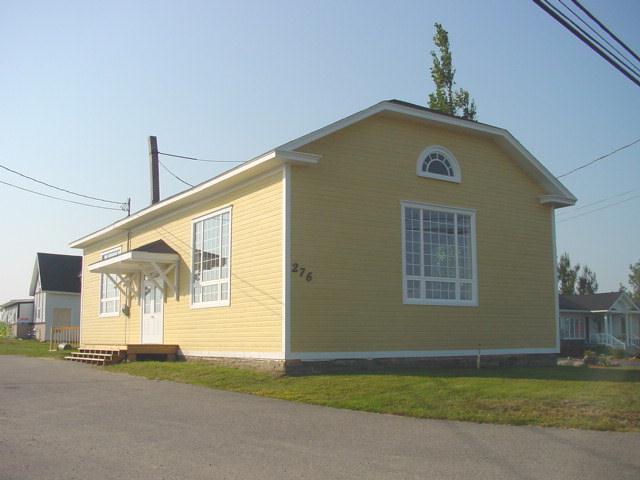
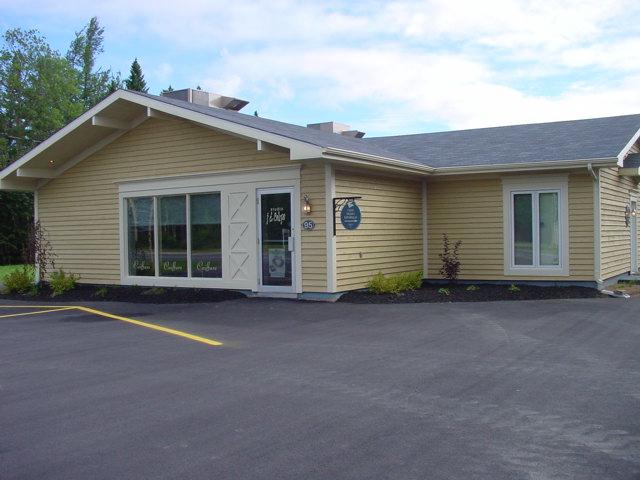
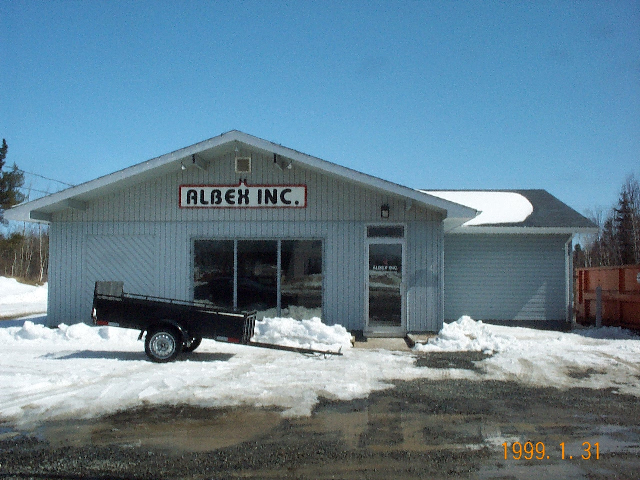
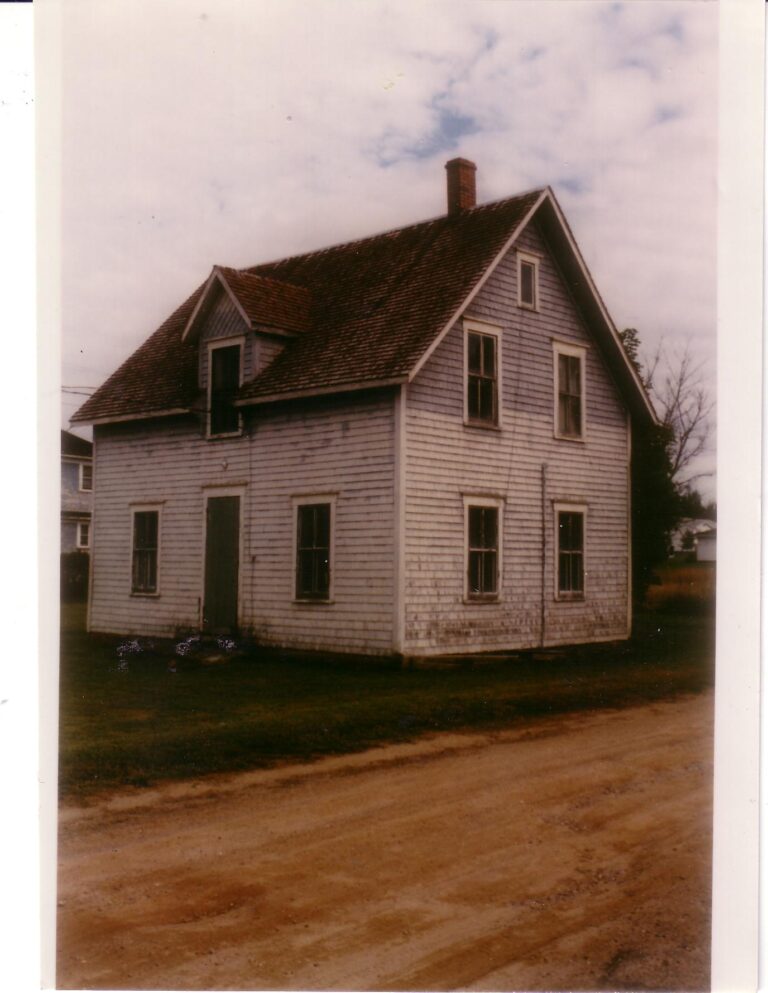
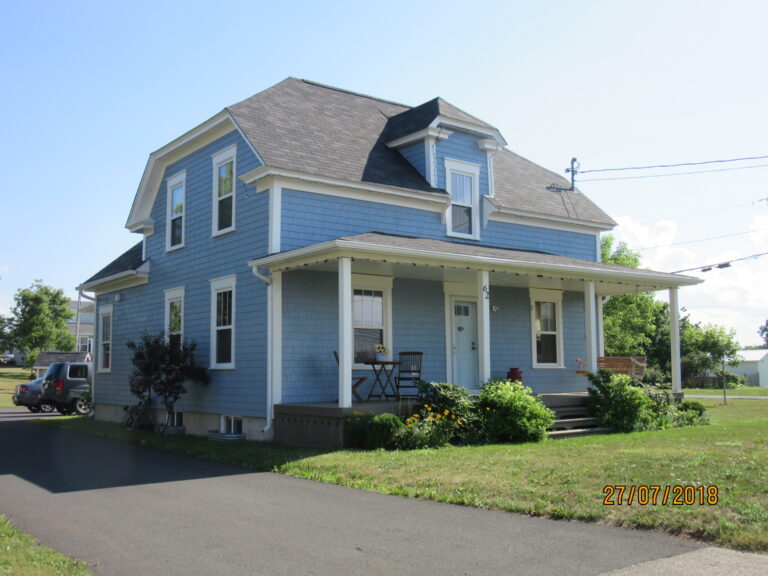
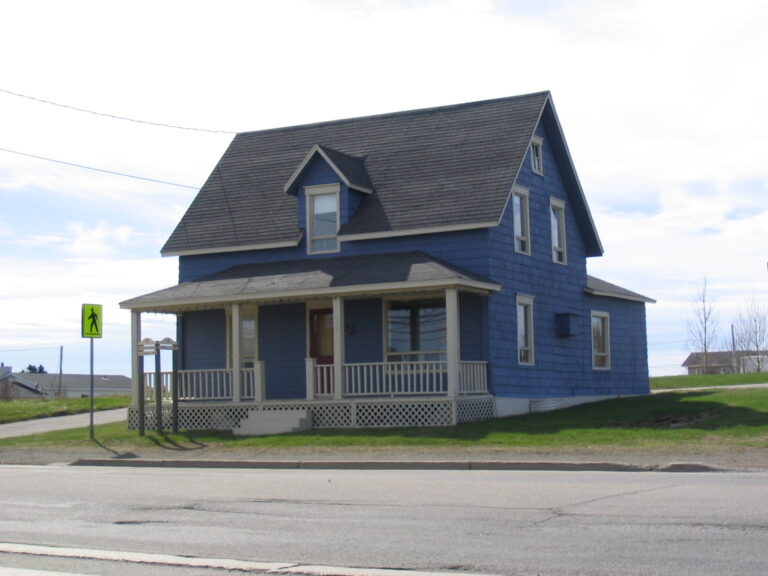
Bernard après Bernard après2 Bernard avant Bocar après Bocar avant Carl après Carl Boucher avant Chambre après chambre avant chapelle après chapelle-avant chocolatière après chocolatière avant CL Comeau après CL Comeau avant école après école avant Espace Beauté après Espace-Beauté-avant Fernand Albert après Fernand Albert avant Fred Poirier après Fred Poirier avant Frédéric Lavoie après Frédéric Lavoie avant home après home avant Jean Boudreau après Jean Boudreau avant Jean Marc après Jean Marc Gauvin avant Jumelle après Jumelle avant Kevin après 2 Kevin avant Kevin bureau après kevin bureau avant Line après Line avant maison jeunes après maison jeunes avant Marie aprèes Marie Avant Mitchan après Mitchan avant Parisé Yves après Parisé Yves avant 2 Philip après Philip avant Pierre après Pierre avant pub st jo après Pub St Jo avant Rachel Désilets après Rachel Désilets avant3 Rive après Rive avant Roland Friolet après roland friolet avant Sophie Gosselin après Sophie Gosselin avant

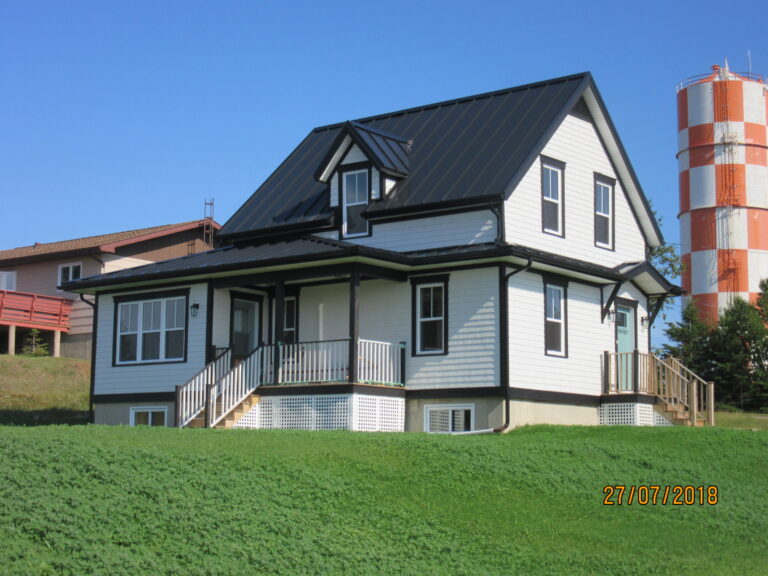
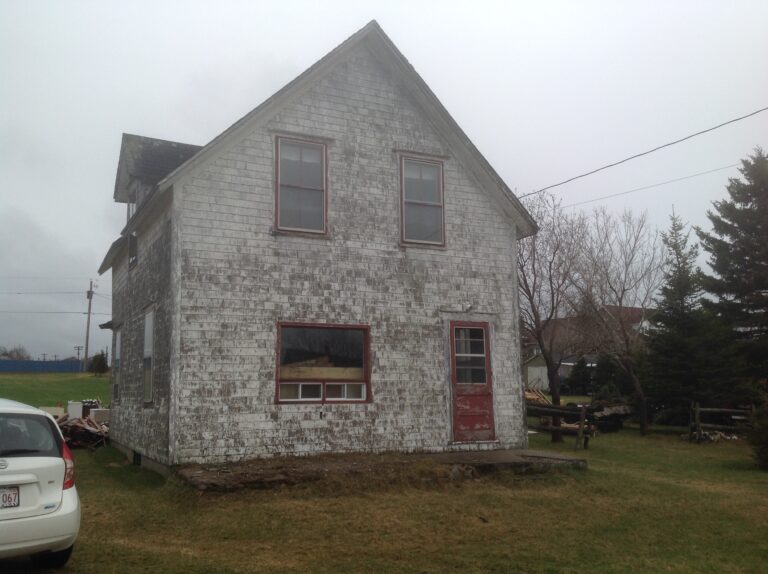
Example of a Makeover

A avants (2) AA avant (2) b c d e f h i j k l m n o p q r s t u v w x y YY YYY YYYY YYYYY YYYYYY YYYYYYYY Z ZZ ZZZ ZZZZ ZZZZZ ZZZZZZ